Planning Guide

Wedding ceremonies in Phuket

"What does the ceremony actually involve?"

Wedding ceremonies in Phuket

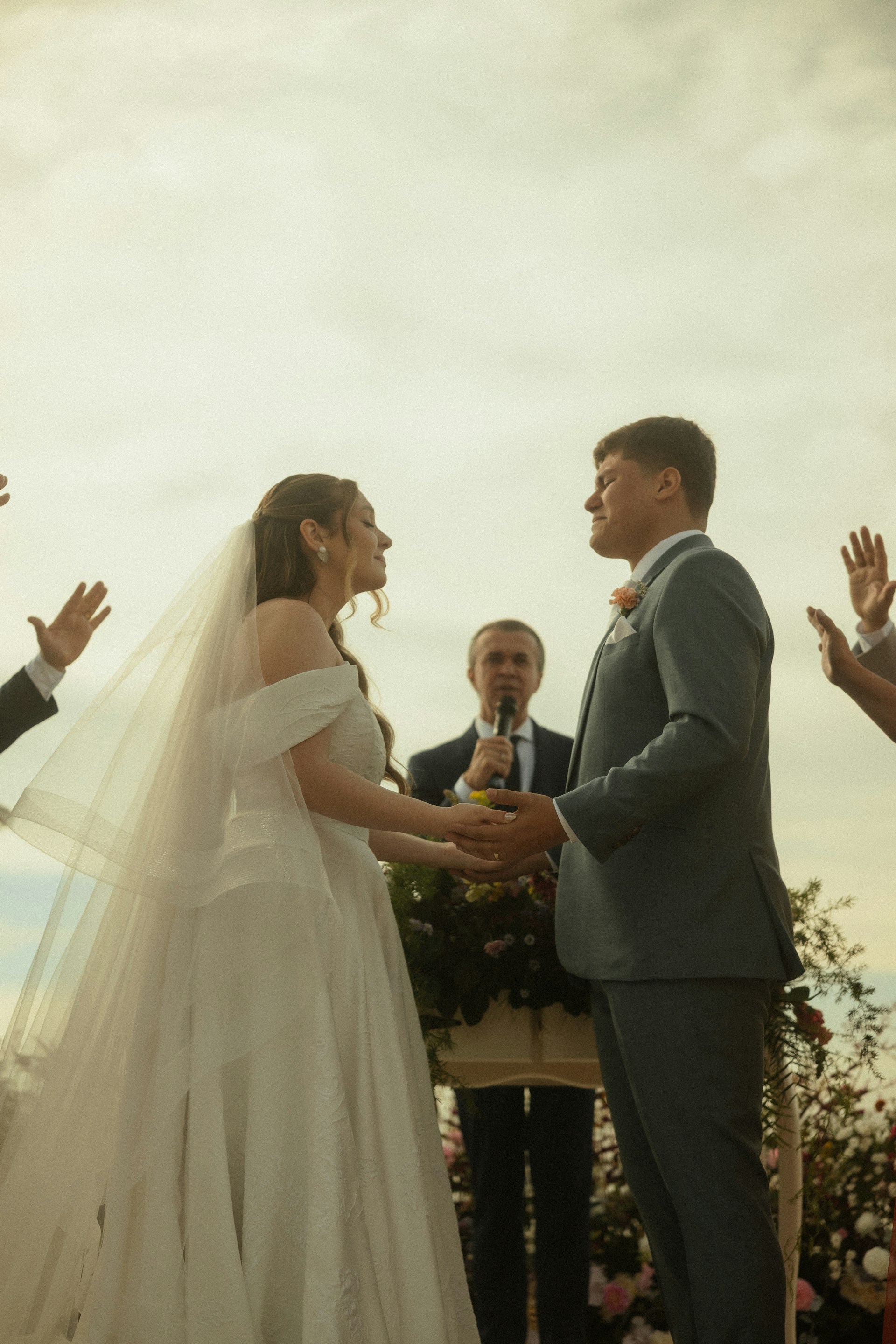
The ceremony is the emotional centre of a wedding — the moment everything else is built around. In Phuket, the way ceremonies work surprises many couples, because most are symbolic rather than legal. That distinction is not a limitation; it is a freedom. It means your ceremony can be exactly what you want it to be, unconstrained by the fixed wording and formalities of a legal marriage.

Symbolic ceremonies explained

The vast majority of weddings in Phuket are symbolic ceremonies. This means the ceremony is not legally binding — it does not, by itself, create a legal marriage recognised by the state.

This surprises some couples at first, but in practice it is how most destination weddings work, and it is almost always the better experience. Here is why.

The legal process is separate. Getting legally married in Thailand as a foreigner involves paperwork through your embassy, translation, and district-office registration — a bureaucratic process that has nothing to do with the beautiful ceremony you actually want on the beach or in the villa. The overwhelming majority of couples complete the legal marriage quietly at home, either before or after the trip, and treat the Phuket ceremony as the real, meaningful celebration.

Symbolic means free. Because a symbolic ceremony carries no legal requirements, there is no prescribed wording, no mandatory declarations, and no restrictions on who can conduct it or where. You can write your own vows, choose any structure, include any rituals or readings, and hold it anywhere — a beach at sunset, a villa lawn, a clifftop terrace.

It feels no less real. A symbolic ceremony is emotionally and personally every bit as significant as a legal one. The vows are real, the commitment is real, the moment is real. The legal registration is simply an administrative step handled elsewhere.

If you specifically want the legal marriage to happen in Thailand, discuss it early with your planner — but be aware it adds bureaucracy without adding to the ceremony itself.

The celebrant's role

The celebrant is the person who writes and delivers your ceremony. A skilled celebrant does far more than read words aloud — they shape the entire emotional arc of the ceremony and hold the room while you are at your most vulnerable.

Before the day, the celebrant works with you to understand your story: how you met, what your relationship is built on, the tone you want (heartfelt, light, funny, traditional), and any elements you want to include. From this they craft a script that is genuinely yours.

On the day, the celebrant sets the tone from the first word. They put nervous couples at ease, guide the flow so you always know what comes next, pace the ceremony so it neither rushes nor drags, and deliver your words with warmth and presence. A good celebrant makes a ceremony feel effortless — which is precisely the result of experience and preparation.

Experience matters enormously. A celebrant who has conducted hundreds of ceremonies knows how to handle wind on a beach, emotion when a couple is overwhelmed, unexpected pauses, and the small logistics that keep a ceremony flowing. Wedding Celebrant Asia, for example, has delivered well over 500 ceremonies in the region — the kind of track record that shows in how smooth and natural a ceremony feels.

The celebrant is also, for symbolic ceremonies, the person with the most influence over how the ceremony feels. Choosing the right one is one of the most important decisions you will make.

Personalising your ceremony

Because symbolic ceremonies carry no fixed script, you can personalise almost every element. This is where a Phuket ceremony can become truly yours.

Your vows. Write your own, adapt traditional vows, or work with your celebrant to craft something between the two. Some couples write private vows they read to each other; others prefer the celebrant to lead them through repeat-after-me vows.

Readings. A poem, a passage, song lyrics, or words written by a friend or family member. Readings are a lovely way to involve guests and add texture to the ceremony.

Rituals and symbolic acts. Popular choices include a sand ceremony (blending two colours of sand into one vessel), a ring-warming (passing the rings among guests to infuse them with good wishes), candle lighting, or handfasting. These give the ceremony visual and emotional anchor points.

Involving people. Guests can give readings, walk you down the aisle, act as witnesses, or take part in a ritual. In small ceremonies, involving even one or two people makes the moment feel shared.

Tone. Some couples want a solemn, moving ceremony; others want warmth and laughter. Tell your celebrant honestly what you want — the script can be tailored to either.

Cultural elements. Couples often blend traditions, for instance pairing a Western symbolic ceremony with a Thai Buddhist blessing earlier in the day.

The best ceremonies reflect the couple's actual relationship rather than a generic template. A celebrant like Wedding Celebrant Asia builds the script around your story specifically, so no two ceremonies are the same.

Vow renewals

Vow renewals are increasingly popular in Phuket, and they suit the symbolic-ceremony format perfectly.

Who they are for. Couples celebrating a milestone anniversary, couples who married quietly or quickly the first time and now want the celebration they never had, and couples who simply want to reaffirm their commitment in a beautiful setting. Some renew after five years, some after twenty-five.

How they differ from a wedding ceremony. In practice, very little — a vow renewal follows the same flexible, personalised structure as a symbolic wedding ceremony. The difference is in the language and emotional framing: rather than making a first promise, you are reaffirming one, often with the perspective of years of marriage behind you.

Including family. Vow renewals often involve children, grandchildren or long-standing friends, which opens up lovely possibilities — children taking part in a ritual, a family member giving a reading, or the couple speaking to the years they have shared.

The tone tends to be reflective and grateful, drawing on the story of the marriage so far. A good celebrant will weave that history into the script, making the ceremony feel like a genuine chapter rather than a repeat performance.

Because there are no legal formalities involved, a vow renewal is entirely yours to shape — where, when, how, and with whom.

Same-sex ceremonies

Phuket is a welcoming, popular destination for same-sex couples, and symbolic ceremonies make it straightforward to celebrate here.

The symbolic format works in your favour. Because the meaningful ceremony most couples have in Phuket is symbolic rather than legal, it is open to everyone on exactly the same terms. There is no legal gatekeeping around who can hold a symbolic ceremony — the celebration, the vows and the setting are identical to any other wedding.

An experienced, inclusive celebrant is key. A celebrant who regularly works with same-sex couples will craft the ceremony around your relationship without defaulting to gendered scripts or assumptions, and will ensure the language, structure and tone reflect you both as equals.

Phuket as a destination. The island has a long history of welcoming LGBTQ+ visitors, and wedding suppliers — planners, celebrants, photographers, venues — are experienced and comfortable delivering same-sex weddings to the same high standard as any other.

The practical planning is the same. Venue choice, flowers, photography, reception, guest logistics — every part of planning works identically. The only real decision unique to you is choosing suppliers who are genuinely experienced and enthusiastic, which the established Phuket specialists are.

If you would like the legal side handled, note that this is separate from the ceremony and depends on the laws of your home country — your planner can point you in the right direction, but the beautiful ceremony in Phuket itself is fully available to you.

Elopements and ceremonies for two

Not every wedding needs guests. Elopements — a ceremony for just the two of you — are one of the most romantic ways to marry in Phuket, and the symbolic format makes them effortless.

What an elopement looks like here. A celebrant, a beautiful setting, a photographer to capture it, and the two of you. A simple beach ceremony at sunset is the classic Phuket elopement: intimate, uncomplicated, and genuinely moving without the logistics of a larger event.

Why couples choose it. No guest management, no seating plans, no compromise — just the ceremony itself, focused entirely on the two of you. Many couples find it more emotional precisely because it is so private.

What you still get. Even for two, the ceremony can be fully personalised: your own vows, a symbolic ritual, readings if you want them. And with a photographer present, you leave with a complete record of the day.

Combining with a trip. An elopement folds naturally into a longer stay in Phuket, so the wedding becomes part of the honeymoon rather than a separate event to organise.

Fixed-price beach ceremony packages are especially well suited to elopements, bundling the celebrant, simple flowers, photography and transport into a single straightforward arrangement — the practicalities handled so you can focus entirely on the moment.

Specialist services mentioned in this article

Wedding Celebrant Asia

An experienced celebrant with well over 500 ceremonies delivered in the region, personalising every script around the couple's own story. Ceremonies from THB 8,000.