Planning Guide

Wedding photography in Phuket

"How does photography work at a Phuket wedding?"

Wedding photography in Phuket

For most couples, the photographs are what remain long after the day itself — the single most enduring record of the wedding. In Phuket, photography is shaped by one thing above all: the light. The tropical sun, the sunset over the Andaman Sea, and the interplay of light with sand, water and greenery create extraordinary opportunities, but only if the day is timed and planned with photography in mind.

Understanding the light

Light is the raw material of photography, and Phuket's light is both a gift and a challenge.

Midday sun is harsh. In the middle of the day the tropical sun is directly overhead and intense. It creates strong, unflattering shadows, causes squinting, and blows out highlights. This is the worst time for a ceremony or portraits, which is a major reason weddings here are held later in the day.

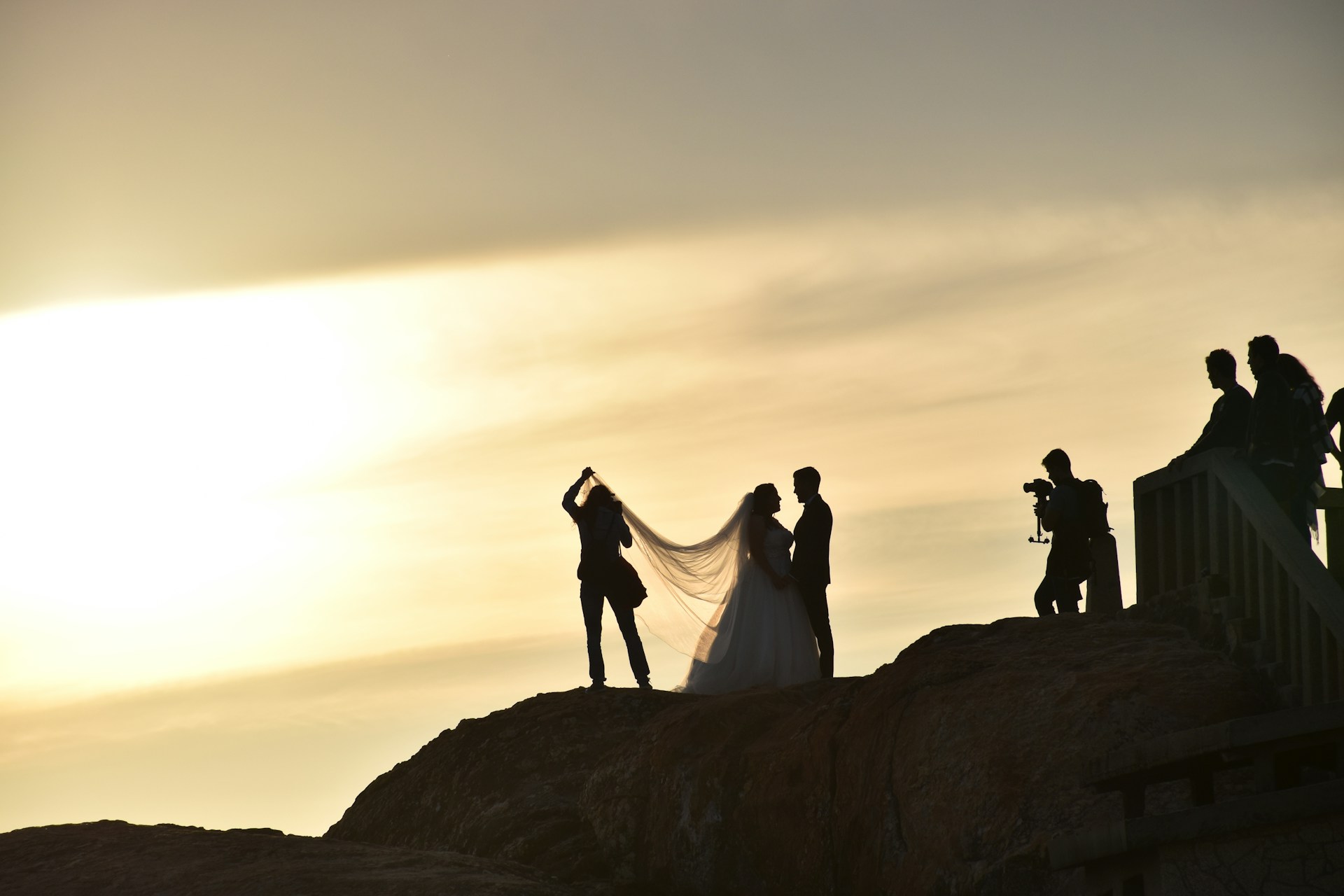
Golden hour is the prize. The hour or so before sunset bathes everything in warm, soft, directional light. Skin tones glow, the sea and sky turn gold and pink, and shadows soften. This is when the most beautiful Phuket wedding images are made, and it is why ceremonies are typically scheduled to place the vows and post-ceremony portraits right in this window.

Sunset is consistent. Phuket sits near the equator, so sunset falls at roughly 18:00–18:30 all year round. This predictability makes timing straightforward — a ceremony beginning around 16:30–17:00 lands the couple's portraits squarely in golden hour.

The west coast catches the sunset. Because Phuket's wedding beaches face the Andaman Sea to the west, the sun sets over the water behind the couple — the classic backdrop that draws so many people to marry here.

A photographer who knows Phuket plans the whole shooting sequence around this light, so the timeline and the photography reinforce each other rather than working against each other.

Photography styles

Photographers work in different styles, and understanding them helps you choose someone whose work matches what you want to remember.

Documentary / reportage. Candid, unposed images that capture the day as it unfolds — real moments, expressions and emotion. The photographer stays largely in the background. This style produces images that feel authentic and alive, though it relies on the photographer's instinct for anticipating moments.

Fine-art / editorial. More styled and composed, with attention to light, framing and aesthetics. Portraits are directed to look polished and magazine-like. This suits couples who want beautiful, deliberate images and are comfortable being guided.

Natural / relaxed portraiture. A middle ground — gently directed rather than heavily posed, aiming for images that look natural but flattering. Most destination photographers work somewhere here, blending candid coverage with a set of guided couple portraits.

Traditional / posed. More formal, with set-up group shots and classic arrangements. Useful when there are family expectations around formal photographs, though most destination couples want less of this.

Most wedding photography in practice is a blend: candid coverage of the ceremony and reception, plus a focused set of couple portraits during golden hour. When choosing a photographer, look through complete real wedding galleries — not just highlight reels — to judge whether their consistent style matches your taste.

Planning the photography timeline

Great wedding photography is as much about timing as talent. A well-planned timeline gives the photographer the light and the space to do their best work.

Preparation shots. Many couples want photographs of getting ready — hair, makeup, the dress, details like rings and flowers. This happens at the hotel or villa in the hours before the ceremony and benefits from good natural light indoors.

The ceremony. Timed for late afternoon, the ceremony itself is the emotional core of the coverage. The photographer captures the walk down the aisle, the vows, the reactions and the key moments.

Couple portraits at golden hour. The single most important slot for beautiful images. Building 30–45 minutes of portrait time into the golden hour, immediately after the ceremony, is what produces the striking sunset images Phuket is known for. Skipping or rushing this is the most common photographic regret.

Group and family photographs. Best done efficiently, usually just after the ceremony while everyone is together, before people disperse. A short, well-organised list keeps this from eating into golden hour.

The reception. Speeches, first dance, cake and candid celebration. As the light fades, this shifts to flash or ambient evening light.

Build in buffer. Weddings run late; light does not wait. A good photographer and planner build slack into the timeline so a delayed start does not cost you the golden hour. Discuss the timeline with your photographer specifically — they will tell you exactly when to schedule the ceremony to make the most of the light.

Pre-wedding and day-after shoots

A distinctive feature of destination weddings is the option of a separate portrait session — either before the wedding ("pre-wedding") or the morning after ("day-after" or "trash the dress").

Why couples do it. On the wedding day itself, time and attention are divided between guests, the ceremony and the schedule. A dedicated session, with no time pressure and no guests, lets you focus entirely on portraits and explore more locations and looks.

More locations. A separate shoot can range across Phuket's variety — beaches, viewpoints, old Sino-Portuguese streets in Phuket Town, lush greenery, or a striking villa — rather than being confined to the wedding venue.

Better light, no rush. Because it is scheduled purely for photography, you can shoot at the ideal time of day (sunrise or sunset) without competing with the wedding timeline. The results are often the most relaxed, adventurous images of the whole trip.

Day-after shoots carry a particular appeal: you are married, relaxed, and free to be more playful — including going into the sea in the dress, if you want the classic "trash the dress" images.

Practicalities. A pre-wedding shoot before the ceremony gives you images you might use for the wedding itself; a day-after shoot means you already know your photographer and are comfortable in front of the camera. Either adds meaningfully to the collection of images you take home, and photographers who specialise in Phuket often know the best locations and times for each.

Choosing a photographer

Your photographer is one of the few suppliers whose work you cannot fix after the day. Choosing well matters enormously.

View complete galleries, not highlights. Anyone can produce a handful of beautiful images. Ask to see full galleries from real weddings — ideally from venues and light similar to yours. This shows consistency across a whole day, including the harder moments.

Look for local experience. A photographer who works regularly in Phuket understands the light, knows the venues, anticipates the sunset timing, and has the relationships and local knowledge that make the day run smoothly. Jaran Images, for example, is a Phuket-based photographer with deep familiarity with the island's venues and conditions.

Match the style to your taste. Decide whether you lean towards candid documentary coverage, polished editorial portraits, or a blend, and choose someone whose consistent style reflects that. Do not try to force a photographer into a style that is not theirs.

Understand what is included. Clarify hours of coverage, number of photographers, how many edited images you receive, delivery time, and whether albums or prints are extra. Get this in writing.

Communication counts. You will plan remotely, so a photographer who responds clearly, helps shape the timeline around the light, and puts you at ease over email or video call is worth a great deal. Feeling comfortable with them directly translates into more relaxed, natural photographs on the day.

Specialist services mentioned in this article

Jaran Images

A Phuket-based wedding photographer with deep familiarity with the island's venues, light and sunset timing.